Butterfly & Octopus Teachers
A Reflection on Change, Pace, Becoming, and Making Room for the New You– in the SPiRiT of DiSCO





The Shepherd’s Path opens with “The first thing you learn about pressure is that it has a sound.”
“Hurry up.”
“You should already know.”
“I needed it yesterday.”
“Why isn’t this done?”
“You’re falling behind.”
“What will people think?”
Sometimes pressure sounds like work. Sometimes it sounds like home. Sometimes it sounds like a timeline we inherited before we were old enough to ask whether it was wise. And sometimes, pressure sounds like the voice inside us after the voices outside us have spoken long enough.
Last week, I wrote about what a snail’s crossing can teach us: steadiness, intention, safety, and the wisdom of taking time even when the world barely notices the trail we leave behind.
This week, I find myself reflecting on the opposite force: the rush.
The rush to decide.
The rush to explain.
The rush to perform.
The rush to become acceptable before we have even become honest.
That tension felt especially present to me after seeing an artist I care about share his pain publicly. The details are not mine to explain. What I can say is simple: something happened, people reacted, and he allowed us to see how deeply that negativity landed.
I felt it before I fully understood it.
Not because I knew every fact, but because I recognized the human ache underneath: the pain of being judged before being understood. The pain of being measured against an older version of yourself. The pain of changing in public while some people still demand the comfort of who they remember.
We all carry former versions of ourselves.
Some were joyful. Some were protective. Some were strategic. Some were born out of survival. Some helped us belong in rooms where the fuller truth of us may not have been welcome yet.
But none of those former selves are erased.
They become part of the pattern.
A butterfly does not become beautiful because the caterpillar disappeared. The butterfly becomes beautiful because the caterpillar was real, necessary, and part of the same life. Metamorphosis is not denial. It is continuity through transformation.
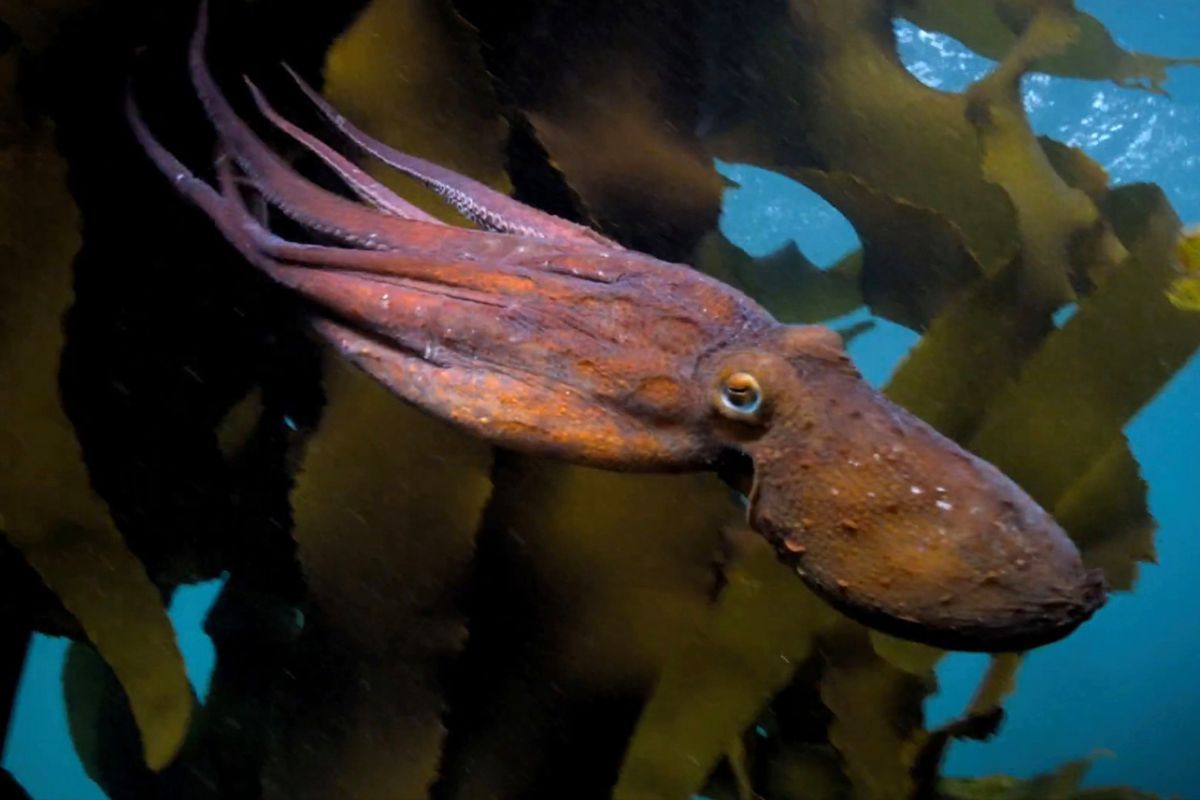
An octopus does not change because it has no identity. It changes because it is alive, aware, responsive, and trying to survive with intelligence.
Nature rarely treats change as betrayal.
We do.
We ask people to grow, then punish them when they no longer fit the version of them that made us comfortable. We celebrate authenticity, then struggle when authenticity arrives in a form we did not expect. We praise originality, then become uneasy when someone refuses to remain legible according to an old script.
This reflection feels personal to me, too.
Since leaving my previous role after a major technology transfer, I have been in my own season of reflection and reorientation. I have been supporting Allie and SHOP ALTHEA, founding SARi CONNECTiONS, writing, building, learning, and trying to understand how the many parts of my life now belong together.
From the outside, that can look like reinvention.
From the inside, it feels more like integration.
But integration is not an excuse to stand still. I have learned before that reflection only becomes useful when it turns into direction, discipline, and responsible action.
Years ago, I found myself in an oddly similar season of uncertainty. That lesson helped guide me to San Diego, into a Product Manager role that felt right for over ten years.
Today, the process is different— more reflective, more efficient, and supported by better tools— but the responsibility remains the same: listen carefully, choose a direction, and move with purpose.
It feels like allowing the whole life to speak.
That is also why Chapter 12 of The Shepherd’s Path matters so much to me: “The Friend Who Wants the Old You” / “El Amigo que Extraña al Pépe de Antes.”
That chapter is not only about soccer. It is about what happens when growth creates distance between who we were and who we are
becoming. It is about the ache of being remembered sincerely, but incompletely. It is about the courage required to keep walking when
someone wants the old version of us back.
And it is about the friend who makes room.
Nico’s example matters because he represents curiosity before judgment. He does not need to understand everything immediately before choosing compassion. He shows us that honesty may come before acceptance, and that understanding often needs time before empathy can fully resonate.
That may be one of the clearest expressions of UNiTY. Not sameness. Not agreement on every detail. Not a demand that we all remain unchanged so others can recognize us more easily.
UNiTY is the willingness to honor the person in front of us while still respecting the path behind them.
That message is especially meaningful to me as June begins, as PRIDE is honored, as disco’s legacy of liberation, movement, community, and self-expression returns to public celebration, and as the world moves closer to the 2026 World Cup. These are not separate themes to me.
They are connected by a deeper question:
Can we make room for one another’s becoming?
That question sits at the heart of The Shepherd’s Path: UNiTY26. It also sits at the heart of how I am repositioning SARi CONNECTiONS— through directionality, flow, values, and a corporate navigation system rooted in a simple but demanding idea:
Don’t forget where you came from.
Honor those who came before.
Honor the earlier versions of yourself that helped you survive.
And honor those still to come by leaving it better than you found it.
Most of us are playing many roles at once. Partner. Parent. Founder. Employee. Artist. Strategist. Caregiver. Friend. Builder. Student. Teacher. Survivor. Guide.
Each role carries demands. Each demand carries pressure. And when pressure accelerates, empathy is often the first thing we leave behind.
But perhaps the wiser path is slower.
Perhaps it begins with curiosity before judgment.
Perhaps it allows honesty before acceptance.
Perhaps it trusts that understanding cannot always be rushed.
The snail reminds us that pace can be protective.
The butterfly reminds us that transformation is continuity.
The octopus reminds us that adaptation is not falseness.
And Nico reminds us that friendship is not the act of preserving someone exactly as they were. It is the willingness to make room for who they are becoming.
That is the kind of community I hope SARi CONNECTiONS can help build.
That is the spirit behind UNiTY.
That is the message I want to carry through The Shepherd’s Path.
To let people grow.
To let artists evolve.
To let companies reposition.
To let identities become more honest.
To let the butterfly remember the caterpillar without crawling back into the old body.
To let the octopus adapt without accusing it of being false.
To understand that change is not always a rejection of the past.
Sometimes, change is the most truthful way of honoring everything it took to arrive here.
Link to KindleDirect Bookshelf:
Rinconcito G.R.i.S.